
 Português
 English

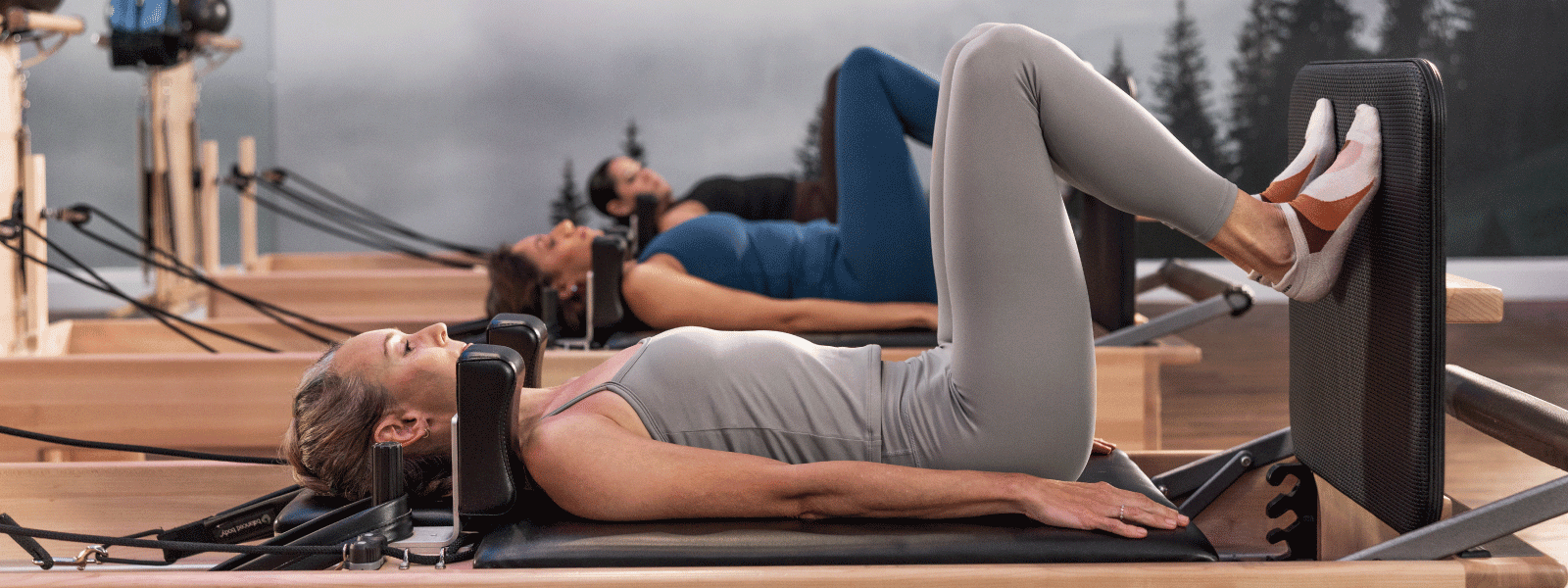
In the world of fitness, Pilates and yoga are often discussed together, and it’s easy to see why. Both are low-impact forms of exercise that emphasise breathing, focus and a strong connection between body and mind. However, they are built on different principles, and understanding these differences can help you decide which one—or whether both—should be part of your fitness and wellness routine.
Movement style and technique
Pilates is based on controlled, repetitive movements that target the core with precision. Each exercise follows a specific movement pattern designed to build strength and stability through small, intentional movements. The focus is on alignment, breathing and muscular control, with exercises taught progressively to improve endurance and muscle tone over time.
Yoga, on the other hand, centres on flowing sequences and static poses held for a period of time to develop flexibility and concentration. Rather than repeating the same movement, yoga guides the body from one pose to the next, often in rhythm with the breath.
Both practices emphasise control and intention, but Pilates tends to be more structured and exercise-focused, while yoga places greater emphasis on flow and stillness.
Equipment used
One of the most noticeable differences between Pilates and yoga is the equipment. In a Pilates studio, you will often train with specialised equipment such as the Reformer, Springboard and other resistance machines that add spring tension to the exercises. This helps build strength while improving range of motion. These machines offer countless variations and resistance levels, making Pilates highly adaptable to different fitness levels.
Yoga, by contrast, usually requires very little equipment. A mat is often all you need, although blocks, straps and bolsters can be used to support alignment or deepen a stretch.
Intensity and physical goals
Pilates primarily focuses on building strength, stability and muscle tone throughout the body. On the Reformer, controlled movements performed against resistance engage the core as well as the arms, legs and back. Each exercise is paired with deep, controlled breathing, which helps activate the abdominal muscles, maintain focus and set the rhythm of the movement. It is an effective full-body workout that is gentle on the joints.
The emphasis on alignment also strengthens the muscles that support the spine, improving everyday posture. At the same time, it develops body awareness, helping you better understand how your body moves and correct imbalances.
Yoga combines physical and mental goals, bringing together flexibility and balance work with breathing and mindfulness. Some styles of yoga are physically demanding, but the overall aim is to improve range of motion, reduce stress and deepen the connection between body and mind.
Both practices help relieve tension and support overall health and wellbeing. However, Pilates tends to prioritise measurable physical results, such as strength and muscle tone, while yoga values flexibility and mental calm alongside its physical benefits.
Which should you try?
The right choice largely depends on your goals. If you are looking for a low-impact way to build strength, improve stability and tone your muscles, Pilates may be the best option. Its structured, equipment-based approach is particularly effective for those recovering from an injury, looking to complement training in another discipline or simply seeking a full-body workout that is gentle on the joints while challenging the muscles.
If your goals are more focused on improving flexibility and strengthening the connection between body and mind, yoga is worth exploring. Its emphasis on breathing and stillness can be an excellent complement to a more strength-focused routine.
Of course, the two practices are not mutually exclusive. Many people find that combining Pilates and yoga offers the best of both worlds: the strength and stability of one, and the flexibility and calm of the other. If you are unsure where to start, try both and see which feels right for your body and your goals.
If you want to experience the benefits of Pilates, Club Pilates invites you to try a Reformer class. Find your nearest studio and book your free introductory class today.